


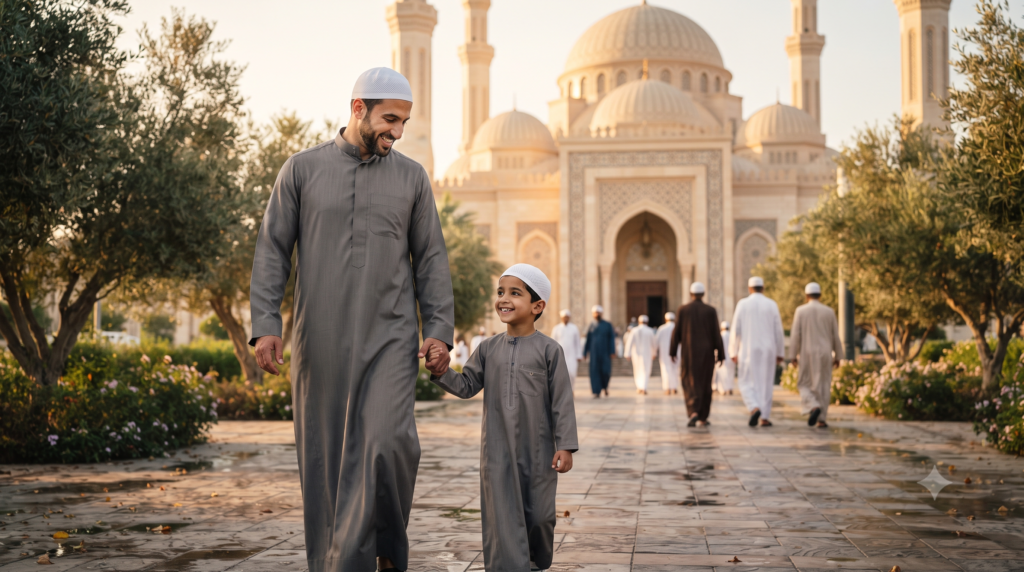
Jumu’ah doesn’t have to be just another day on the calendar — it can be the day your child looks forward to all week.
For many children, Jumu’ah is simply the day their father goes to the masjid a little longer, or the day school lets out early. But Jumu’ah carries a status in Islam that few other days share — it is described as the best day of the week, a day of mercy, community, and remembrance. With a little intention, it can become something your child genuinely looks forward to.
The beauty of Jumu’ah is that making it special doesn’t require anything elaborate. Small, consistent traditions are often what children remember most fondly years later.
Why Jumu’ah Deserves to Feel Different
The Prophet (peace be upon him) taught that Jumu’ah holds a unique place among the days of the week, filled with virtue and blessing.
“Indeed, the best day on which the sun has risen is Friday.” — Sahih Muslim
When children sense that Jumu’ah feels different — through small rituals, warmth, and anticipation — that specialness becomes attached to their memory of faith itself, not just to a single day.
Simple Jumu’ah Traditions to Start This Week
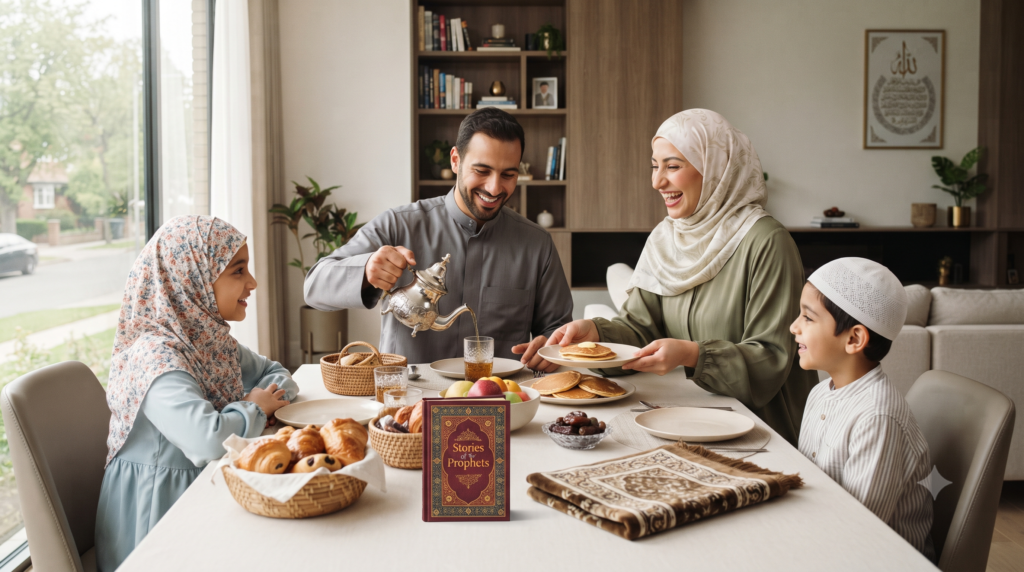
- A special Jumu’ah breakfast or favorite meal for lunch after prayer
- Reading a short surah or story together as a family on Thursday night to prepare
- Letting children pick out “Jumu’ah clothes” the night before, building excitement
- A weekly Jumu’ah treat — nothing elaborate, just something that says “today is different”
- Sending Salawat together as a family before or after the prayer
Involve Children in the Masjid Experience
Even young children who cannot yet sit through a full khutbah benefit from being present. Bring a small prayer mat just for them, let them stand beside you during parts of the prayer, and afterward, ask simple questions like “What did you hear the imam talk about today?” This builds familiarity and comfort with the masjid long before it becomes an expectation.
Age-Appropriate Ways to Build Jumu’ah Excitement
Ages 3–5: Sensory and Simple
Focus on the feeling of the day — new clothes, a special smell of attar, a favorite snack. At this age, Jumu’ah should simply feel warm and different from other days.
Ages 6–9: Participation and Purpose
Give children small responsibilities — carrying the prayer mat, choosing the family’s Thursday night story, or reminding everyone to send Salawat. Ownership builds anticipation.
Ages 10 and Up: Reflection and Community
Older children can begin reflecting on the khutbah, discussing what they learned over lunch, and understanding Jumu’ah as a weekly reset — a chance to reconnect with the community and with their own intentions for the week ahead.
A Day That Becomes a Weekly Anchor
When Jumu’ah becomes a genuinely special day rather than a routine one, it gives children something rare in a busy week: a reliable rhythm of faith they can look forward to, again and again. Over time, these small weekly traditions become some of their warmest childhood memories.
Years from now, your child may not remember the exact khutbah topics — but they will likely remember exactly how Jumu’ah felt in your home.
A Word to Parents Who Don’t Know Where to Start
You don’t need to build every tradition at once. Choose one thing — a special meal, a Thursday night story, a small responsibility at the masjid — and keep it consistent. A single tradition, kept with love, is enough to plant a seed. And seeds planted weekly, returned to again and again as your child grows, become the roots of a love for Jumu’ah that holds through everything.
📚 Quality Islamic Education, Wherever You Are — Meem Academia
Give your child more than information — give them a relationship with their deen that deepens year after year. Meem Academia’s live, one-on-one classes meet your child exactly where they are, and grow with them from there.
Enroll at Meem Academia today → meemacademia.com
Book a free trial class. Meet your child’s teacher. Watch their love for faith come alive.
“Indeed, Allah and His angels send blessings upon the Prophet. O you who have believed, ask Allah to confer blessing upon him and ask Allah to grant him peace.” — Quran 33:56
Why Families Choose Meem Academia
- Child-Focused Teaching — Lessons paced and styled for each child’s age and understanding
- Structured Islamic Studies Curriculum — Seerah, prophetic history, and Islamic values taught progressively
- Meaningful, Not Just Memorised — Every lesson is connected to a value your child can carry into daily life
- Flexible Online Learning — Live one-on-one sessions scheduled around school and family life
- Regular Parent Updates — Stay informed and involved throughout your child’s journey
- All Ages and Levels Welcome — From early learners to advanced students
Our Programs Include
- Islamic Studies for Children and Adults
- Seerah and Prophetic History
- Quran Recitation with Tajweed
- Quran Memorisation (Hifz)

0 Comments