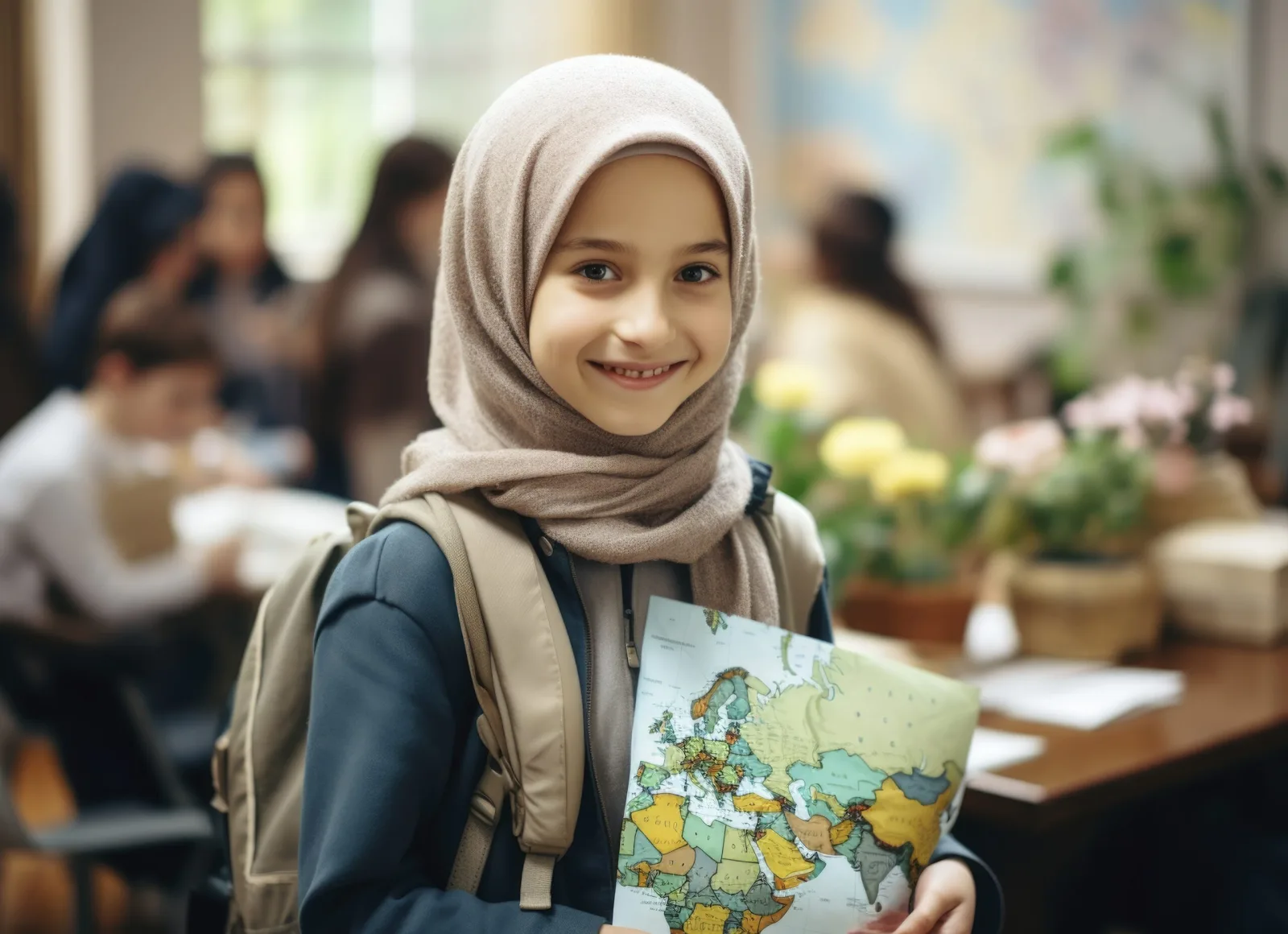
“Integrating Sunnah in Modern Education” provides timeless wisdom, ensuring that Islamic principles shape a balanced and ethical learning experience. In today’s fast-paced world, where technology and modern educational practices continue to evolve, one might wonder how the Sunnah (the teachings and practices of the Prophet Muhammad ﷺ) fits into contemporary learning environments. However, these teachings offer valuable guidance that transcends generations, enriching modern education with moral and ethical values. . This is why MeeM Academia places Sunnah-based learning at the heart of its teaching model. By integrating prophetic manners, daily habits, and emotional development into every lesson, MeeM Academia helps children learn not only what is right, but how to live it in their everyday lives.
1. Promoting Ethical and Moral Development

The Prophet Muhammad ﷺ emphasized the importance of good character and ethics. While academic achievements are often prioritized, the need to instill moral and ethical values in students has never been greater. The Sunnah teaches essential virtues such as respect, humility, honesty, and kindness—all of which contribute to personal and social development.
Incorporating ethics into education helps address issues like bullying, cheating, and intolerance, creating a supportive and inclusive learning environment. Educational institutions that encourage these values produce students who excel not only academically but also morally, contributing to a more stable and just society.
Visit MeeM Virtual Madrasa
Experience interactive, flexible online Quran & islamic learning.
MeeM Virtual Madrasa
2. Fostering Discipline and Time Management
The Prophet ﷺ exemplified remarkable discipline and time management, demonstrating the value of using time wisely. Today’s students face numerous distractions, from digital media to societal pressures, making time management a crucial skill.

The Sunnah encourages productive habits, such as beginning the day early, setting priorities, and maintaining balance. For instance, through the practice of daily prayers (Salah), students develop a structured routine, fostering a sense of responsibility, focus, and mindfulness. By incorporating such habits, students can enhance both their academic performance and personal well-being.
Learn More About Meem Academia providing Courses
Give your child a strong Quran & Islamic foundation.
Explore Online Islamic Courses
3. Encouraging the Pursuit of Knowledge

The pursuit of knowledge is a central theme in Islam. The Prophet ﷺ said, “Seeking knowledge is an obligation upon every Muslim.” This teaching promotes continuous learning and growth, aligning with modern education’s emphasis on lifelong learning. Learn more about the Golden Age of Islam and its impact on education.”
By instilling the belief that knowledge extends beyond the classroom, students develop curiosity, critical thinking, and a passion for self-improvement. Encouraging a holistic approach to learning, encompassing both academic subjects and ethical wisdom, creates well-rounded individuals who contribute positively to society.
Read More Islamic & Parenting Blogs
Daily tips, Islamic lessons, and learning ideas for families.
Visit Blog Page
4. Cultivating Compassion and Empathy
The Prophet ﷺ was known for his immense compassion and empathy, qualities that are sometimes overlooked in today’s highly competitive educational environments. However, emotional intelligence is essential for building healthy interpersonal relationships and ensuring students’ mental well-being.
By following the Sunnah’s examples of compassion, students learn to be supportive, understanding, and considerate of their peers. Schools that emphasize these values foster a culture of kindness, reduce conflicts, and create a positive learning atmosphere where students thrive both emotionally and academically.

5. Developing Strong Communication Skills
The Sunnah emphasizes clear, respectful, and meaningful communication. The Prophet ﷺ spoke concisely and effectively, ensuring his words were understood without causing harm or offense. In the digital age, where social media can easily amplify misunderstandings, teaching students the art of respectful communication is invaluable.
Strong communication skills help students excel in group projects, leadership roles, and social interactions. By following the Sunnah’s guidance on effective communication, students can learn to express themselves with clarity, kindness, and wisdom.

6. Encouraging Reflection and Self-Improvement

Self-reflection is a powerful tool encouraged in the Sunnah, helping individuals assess their actions, intentions, and areas for growth. In modern education, reflective practices like journaling, mindfulness, and self-assessment enhance students’ ability to learn from experiences and strive for personal excellence.
By incorporating self-reflection into learning, students become more self-aware, goal-oriented, and open to constructive feedback. This aligns with the Sunnah’s emphasis on continuous self-improvement and personal development.
Conclusion
‘Integrating Sunnah principles into modern education’ does not mean replacing existing structures but rather enriching them with timeless wisdom. The teachings of the Prophet Muhammad ﷺ provide a blueprint for a balanced life—academically, morally, and spiritually. By blending these principles with contemporary educational practices, we can create an education system that produces not only knowledgeable individuals but also compassionate, ethical, and well-rounded human beings.
Educators, parents, and policymakers should consider how these values can be seamlessly incorporated into learning environments. By doing so, the Sunnah becomes a guiding light in modern education, shaping a generation of students equipped with both knowledge and strong moral character—ready to contribute positively to society
.Incorporating the Sunnah into modern education gives children the perfect balance—academic skill with spiritual strength, emotional intelligence, and strong character. MeeM Academia ensures that every child receives an education rooted in the teachings of the Prophet (SAW), helping them grow into confident, responsible, and compassionate Muslims.
Register for MeeM Virtual Learning
Book a free demo class for your child or yourself.
Register Now
Summary
Integrating the Sunnah into modern education provides a powerful framework for raising balanced, ethical, and emotionally intelligent children. The teachings of Prophet Muhammad ﷺ promote moral character, discipline, compassion, communication skills, and self-reflection—qualities essential for success in today’s world. By combining Islamic values with contemporary learning methods, MeeM Academia creates a nurturing environment where children grow academically, spiritually, and socially. Sunnah-based education ensures that students not only gain knowledge but also develop strong character and Islamic identity.
Conversational Questions & Answers
Why is Sunnah-based education important for my child?
Because academic success alone is not enough. Children need moral guidance, emotional intelligence, and strong Islamic values to navigate modern challenges confidently.
How does Sunnah help in daily school life?
The Sunnah teaches discipline, respect, time management, and kindness—qualities that improve classroom behavior, friendships, and academic focus.
Can modern education and Islamic teachings go together?
Absolutely. Sunnah does not replace modern education; it strengthens it by adding ethical foundations and spiritual awareness.
How does MeeM Academia apply Sunnah in teaching?
MeeM Academia integrates prophetic manners, daily habits, emotional development, and Islamic character-building into structured online Quran and Islamic courses.
FAQ?
🔗 Related Topics
📖 Islamic Parenting in the Digital Age
How to raise confident Muslim children while balancing technology and faith.
📖 Importance of Character Building in Islam
Why Akhlaq (good character) is the foundation of a successful life.
📖 Benefits of Online Quran Classes for Kids
Why virtual Islamic learning is becoming the preferred choice for parents worldwide.
📖 Role of Parents in Islamic Education
How mothers and fathers can create a faith-centered learning environment at home.
📖 Blending Modern Education with Islamic Principles
Creating a balanced system that nurtures both academic success and spiritual growth.
.

0 Comments