Online Quran Classes & Madrasa Courses with Expert Tutors
Elevate your faith with MeeM Academia. Join live online Quran classes and Madrasa courses guided by certified expert tutors anytime from the comfort of your home.
Trusted by 70,000+ Students Worldwide
Book Your Free Live Demo
Experience our interactive Quran & Madrasa classes with a certified tutor.
Why Families Worldwide Choose MeeM
Blending authentic Islamic values with modern educational standards. Here is how we make Quran and Madrasa learning effective, convenient, and deeply rewarding for your home.
Flexible Timings
Classes tailored around your family’s daily routine in any country — USA, UK, UAE, Qatar, Saudi Arabia, Europe, or Australia. Pick your preferred days, mornings, or evenings with easy rescheduling.
Progress Tracking
Continuous monitoring of your child’s Quran recitation, Tajweed accuracy, and Islamic studies milestones. Transparent digital reports keep you fully informed every step of the journey.
Parent Communication
We believe education thrives when parents and teachers work hand in hand. Enjoy direct WhatsApp feedback, quarterly Parent-Teacher Meetings (PTMs), and proactive support.
Ages 4 to Adults
Education thoughtfully designed for every age group: gamified Suffa Kids for preschoolers, comprehensive Quran & Cambridge IGCSE for school children, and dedicated adult Daras for men and women.
Ready to give your family the best Quranic education?
Book a complimentary 1-on-1 demo session today. No payment details required.



In Online Madrasa and Quran Learning
Start a transformative global learning journey with MeeM—your premier destination for online Quran Learning in USA, UK, Middle East, and beyond. We are dedicated to delivering a holistic educational experience that blends traditional Islamic teachings with contemporary skills and academic excellence.
- ✓ Flexible timings across global time zones
- ✓ Instruction in Quranic recitation and Tajweed
- ✓ Integrated K12 school tuition & coding programs
Popular Courses
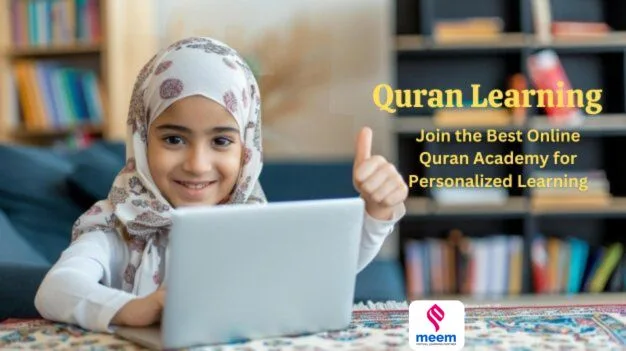
Quran Learning
Learn Quran Online - Premium Online Quran Classes & Quran Learning Courses.
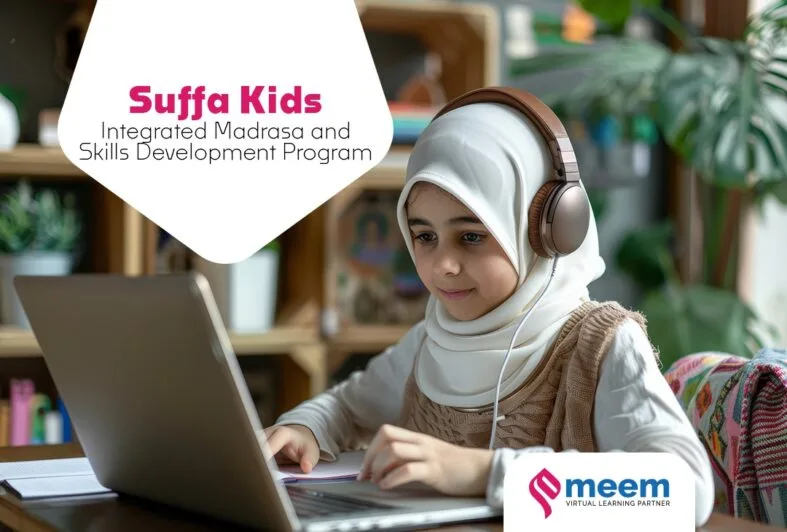
Suffa Kids
Online Islamic Programming Course for Kids - Islamic & Coding Learning Program.
Virtual Madrasa
Online Madrasa - Unlocking a World of Islamic Knowledge Welcome to MeeM.
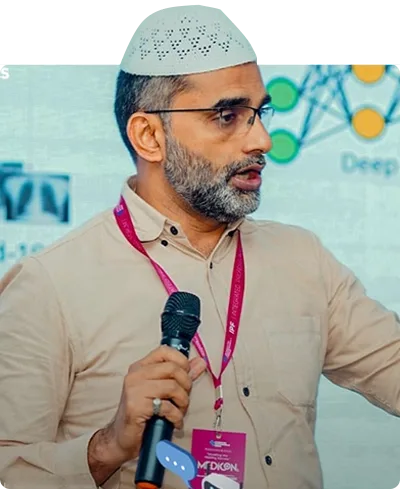
A Note to Our Learners
"Dear Learners, Educators, and Innovators, as the Founder and CEO of MeeM EdTech, I am thrilled to welcome you to our website. MeeM is more than just a learning platform; it is a vibrant community committed to transforming the educational experience through innovative technology and learner-centric solutions."Read Full Message →
Most Popular Posts
See All Articles
Why Kids Lose Interest in School & How Homeschooling Helps
Many children begin their education with curiosity and excitement, but that enthusiasm can fade when learning feels repetitive, stressful, or disconnected from their interests.
Read Full Article →Preparing for Hajj: Spiritual Journey
For many Muslims, Hajj is one of the greatest dreams. Learn how to prepare.
Read Hajj Guide →How the Prophet’s ﷺ Sayings Shape Your Day
Discover how the beautiful teachings and Sunnah bring barakah.
Read Hadith Insights →Virtual Madrasa Guide for Parents
Choosing the right online Islamic school can be overwhelming for parents.
Read Madrasa Guide →What Families Say About MeeM
Real experiences from parents and students across the globe.
"I am extremely impressed with the MeeM Quran Course. The changes I see in my son are remarkable. His understanding of Quranic teachings and Tajweed has significantly improved."
"Our daughter was excited to attend the classes. She really liked all the crafts and activities. Instructors were excellent in paying attention to all the kids. In Shaa Allah we would like to see more of it."
"It was a new and future-focused experience for my daughter. The online Madrasa provided excellent guidance, significantly enhancing her understanding of Islamic values."
Subscribe Our Newsletter
Join our community today and never miss out on valuable opportunities to enhance your learning experience in line with Islamic values.