


Ramadan is much more than a month of fasting—it’s a time for spiritual renewal, self-discipline, and most importantly, family bonding. Whether you’re a parent helping your children understand the values of this sacred month or exploring the health benefits of fasting, this guide offers practical Ramadan tips for families to make the most of this blessed time. Ramadan is a special time for strengthening faith and family bonds. Following simple Ramadan tips for Muslim families helps parents create meaningful routines that encourage prayer, patience, and kindness while teaching kids about Ramadan in a joyful and engaging way.

Why Ramadan Matters: Essential Tips for Families
Ramadan holds a special place in the hearts of Muslims around the world. It’s not just a spiritual practice but a lifestyle reset that promotes reflection, gratitude, and connection. One of the best habits families can build is a daily connection with the Quran. Even a few minutes spent to learn Quran reading with Tajweed helps children develop love for the Quran and improves their confidence in recitation.
Key Values to Teach Kids
Spiritual Growth: Encourage daily prayer, Quran reading, and meaningful reflections.
Self-Discipline: Fasting teaches patience, empathy, and control over desires.
Family & Community Bonding: Shared iftar meals and nightly prayers build unity at home and in the community.
As a parent, using relatable stories and examples helps children connect with these deeper meanings of Ramadan.
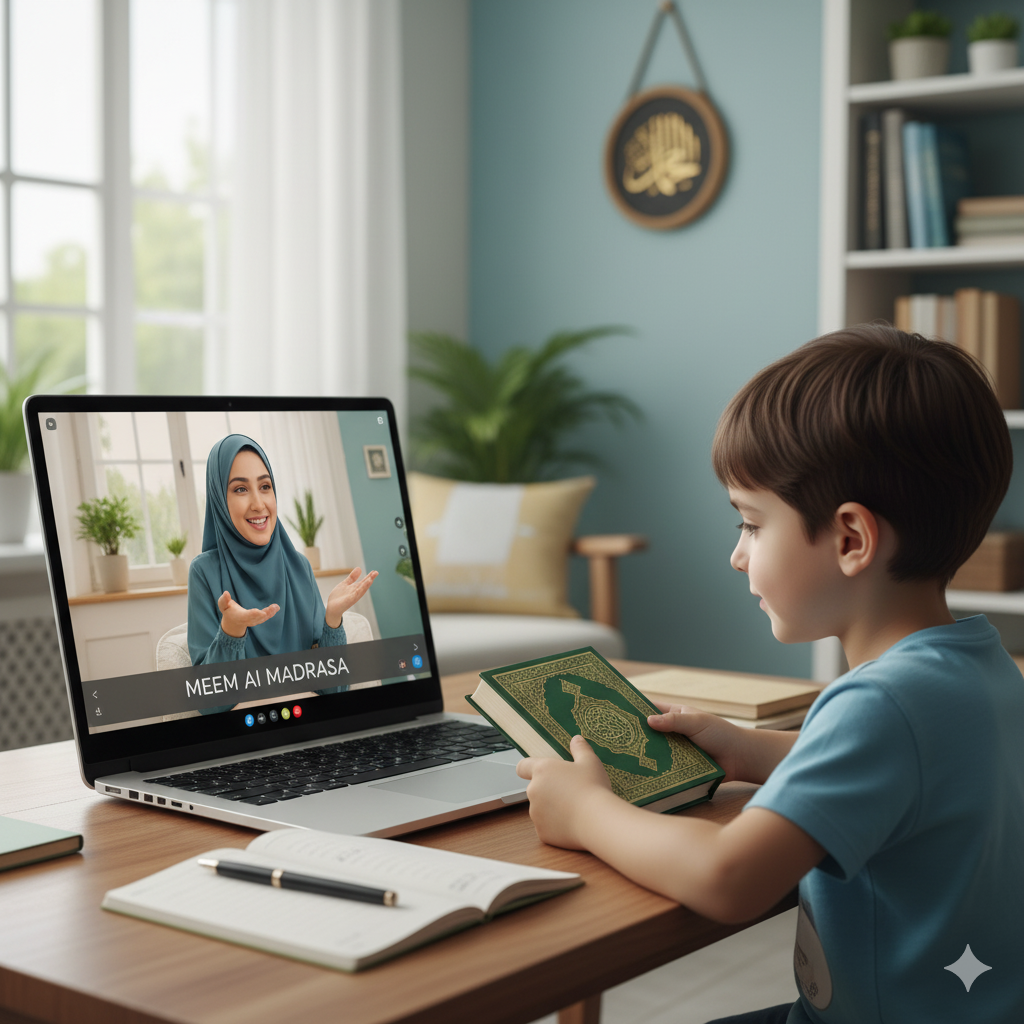
Ramadan – A Month of Spiritual Growth and Family Bonding
Ramadan is not just about fasting—it’s a time for spiritual renewal, self-discipline, and family bonding. Engaging in daily Quran reading with Tajweed and age-appropriate Islamic activities helps children develop love for the Quran and fosters meaningful routines at home.
The Health Benefits of Fasting
Fasting in Ramadan is not only spiritually enriching—it also has scientific health benefits when practiced mindfully.
Improved Metabolism: Intermittent fasting can support healthy weight and digestion.
Detoxification: Gives the digestive system a break and helps with cellular repair.
Mental Clarity: Fasting can lead to better focus, clarity, and mindfulness.
Note: Always consult a healthcare provider before making dietary changes, especially for children or those with medical conditions.
Learn more about fasting and health from WHO
Ramadan Tips for Families with Young Children
Creating a child-friendly Ramadan experience makes the month more meaningful for the whole family. Try these Ramadan tips for families to create memorable learning moments:
Storytelling Time: Share lessons from the Quran and the Seerah of the Prophet Muhammad (peace be upon him).
Creative Activities: Let children draw Ramadan themes, write reflections, or help in cooking.
Family Iftar: Turn iftar into a spiritual ritual where gratitude and togetherness are emphasized.
✨ Enroll your kids in MeeM’s online Quran classes this Ramadan to deepen their understanding and love for the Quran.
Laylatul Qadr: A Night of Power for the Whole Family
Laylatul Qadr, or the Night of Destiny, is one of the most spiritually rewarding nights in Ramadan. Help your family prepare for it together:
Night Prayers (Tahajjud): Encourage extra prayer and quiet reflection.
Quran Recitation: Spend time as a family reading or listening to the Quran.
Gratitude Practice: Share reflections or write dua lists together for the year ahead.
📖 Productive Muslim’s Laylatul Qadr guide offers helpful spiritual routines.
Practical Ramadan Tips for Parents and Kids
- Plan Ahead: Create a schedule that includes time for prayers, Quran reading, and family activities.
- Educate and Inspire: Use stories, videos, and books that explain the significance of Ramadan in an age-appropriate manner.
- Stay Flexible: Adapt fasting and worship practices to suit your children’s energy levels and age.
- Healthy Iftar Choices: Prepare balanced meals that provide energy and nutrition, ensuring everyone stays healthy throughout the month.
- Celebrate Small Wins: Encourage your children to share what they’ve learned each day and celebrate their spiritual growth.
conclusion
Ramadan is a unique blend of spiritual growth, physical well-being, and community engagement. By understanding its significance, embracing its health benefits, and involving the entire family in its practices, you can transform this month into an enriching journey for both mind and body. Whether you are new to Ramadan or looking for fresh insights, this guide aims to help you make the most of this blessed time.
May this Ramadan bring you closer to your faith, enhance your health, and strengthen the bonds of your family.
Ramadan is the ideal time to begin a consistent Quran learning journey as a family. Start learning this Ramadan and build lasting Islamic habits that continue beyond the holy month.
Common Questions Parents Ask During Ramadan
- How can we build a Quran routine as a family during Ramadan?”
A simple daily routine works best. Even 10–15 minutes of Quran reading with Tajweed after Fajr or before Maghrib can make a big difference. Many families find that enrolling their children in online Quran classes during Ramadan helps maintain consistency while parents focus on other responsibilities.
2. My child gets bored easily—how can I keep Ramadan engaging?”
This is very common. Try mixing learning with activities. Let children help prepare iftar, create Ramadan goal charts, draw Islamic art, or listen to Quran recitation together. Interactive learning, especially through child-friendly online Islamic classes, keeps kids engaged and excited about Ramadan.
3. Are online Quran classes effective for busy families during Ramadan?”
Yes, online Quran classes are ideal during Ramadan. They save travel time, offer flexible schedules, and provide one-on-one guidance. Children can learn Quran, Tajweed, and Islamic manners from home while parents manage fasting and family responsibilities
4. Are MeeM Academia’s online Quran classes suitable for young children?”
Yes. MeeM Academia’s online Quran classes are designed to be child-friendly, interactive, and age-appropriate. Teachers use simple explanations, repetition, and encouragement so children feel comfortable and confident while learning Quran reading with Tajweed.

0 Comments